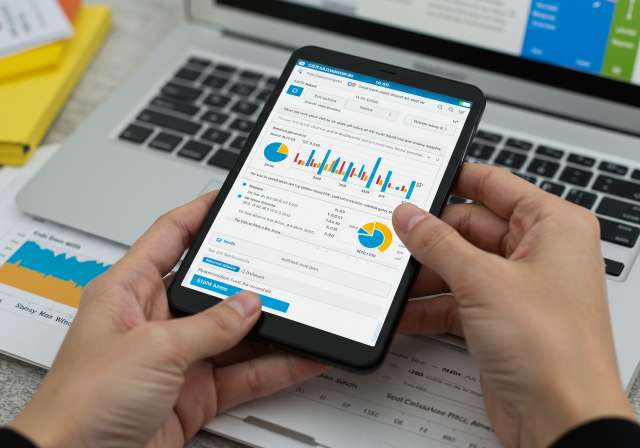
Commodity Trading: Demat Accounts & Low Brokerage Options in India

Commodity trading offers a compelling avenue for investors to diversify their portfolios and potentially generate significant returns. By carefully selecting a low brokerage commodity trading demat account and diligently applying sound trading strategies, investors can navigate the commodity markets with confidence and enhance their overall investment performance. Remember to stay informed, manage risk effectively, and seek professional advice when needed.
Unlock commodity trading with a low brokerage commodity trading demat account. Discover top brokers, benefits, charges, and tips for successful commodity investing in India. Maximize your returns today!
Commodity Trading: Demat Accounts & Low Brokerage Options in India
Understanding Commodity Trading in the Indian Context
Commodity trading in India is a vibrant and dynamic market, offering investors opportunities to diversify their portfolios and potentially hedge against inflation. It involves buying and selling standardized raw materials or primary agricultural products, such as gold, silver, crude oil, natural gas, and agricultural commodities like wheat, pulses, and sugar. These commodities are traded on commodity exchanges like the Multi Commodity Exchange of India (MCX) and the National Commodity & Derivatives Exchange Limited (NCDEX).
Participating in commodity trading requires a Demat account and a trading account, similar to equity trading. However, instead of stocks, you are trading contracts representing specific quantities of commodities. Understanding the nuances of commodity markets, including supply and demand dynamics, global economic factors, and geopolitical events, is crucial for success.
The Role of a Demat Account in Commodity Trading
A Demat account, short for Dematerialized Account, is essential for holding commodities in electronic form. Just as shares are held in a Demat account for equity trading, commodity units are held electronically in a Demat account for commodity trading. This eliminates the need for physical storage and handling, making trading more convenient and efficient. The Demat account is linked to your trading account, which allows you to buy and sell commodities on the exchange.
While not all brokers require a separate Demat account solely for commodities (often the same Demat account used for equities can be used), it is essential to confirm with your broker. A broker with low brokerage charges makes accessing the market significantly easier and can improve profitability.
Why Choose a Low Brokerage Commodity Trading Demat Account?
Brokerage charges can significantly impact your profitability, especially for frequent traders. High brokerage fees eat into your returns, reducing the overall profitability of your trades. Opting for a low brokerage commodity trading demat account can lead to substantial savings, allowing you to maximize your profits. Lower brokerage also encourages more frequent trading, which can be advantageous for certain trading strategies.
Here’s why low brokerage matters:
- Increased Profitability: Reduced brokerage directly translates to higher net profits on successful trades.
- Competitive Edge: Lower costs provide a competitive advantage, allowing you to execute trades with greater efficiency.
- Encourages Active Trading: Lower fees make it more cost-effective to execute short-term trading strategies, such as day trading or swing trading.
- Long-Term Savings: Over time, the cumulative savings from low brokerage charges can be significant, especially for active traders.
Key Factors to Consider When Choosing a Commodity Broker
Selecting the right commodity broker is crucial for a successful trading experience. Here are some essential factors to consider:
Brokerage Charges and Fees
This is arguably the most important factor. Compare brokerage charges across different brokers and understand the fee structure. Look for brokers offering fixed brokerage plans or percentage-based brokerage plans, and choose the one that best suits your trading style and volume. Be aware of any hidden charges, such as account maintenance fees, transaction fees, or software fees.
Trading Platform and Technology
A user-friendly and reliable trading platform is essential for executing trades efficiently. Look for platforms that offer real-time market data, advanced charting tools, technical indicators, and order placement features. Ensure the platform is accessible on multiple devices, including desktops, laptops, and mobile devices.
Research and Analysis Tools
Access to comprehensive research and analysis tools can significantly enhance your trading decisions. Choose a broker that provides market reports, research recommendations, technical analysis tools, and economic calendars. This information can help you identify trading opportunities and make informed decisions.
Customer Support
Responsive and reliable customer support is crucial for addressing any queries or issues that may arise during trading. Check if the broker offers multiple channels of support, such as phone, email, and live chat. Test the responsiveness of the support team before opening an account.
Regulatory Compliance and Security
Ensure the broker is registered with SEBI (Securities and Exchange Board of India) and complies with all regulatory requirements. This ensures the safety and security of your funds and investments. Check for security measures implemented by the broker, such as two-factor authentication and data encryption.
Commodity Offerings
Verify that the broker offers trading in the specific commodities you are interested in. Some brokers may specialize in certain commodities, while others offer a wider range of options. Ensure the broker supports trading in the commodities that align with your investment goals.
Top Commodity Brokers in India Offering Low Brokerage
Several brokers in India offer competitive brokerage rates for commodity trading. Some of the popular options include:
- Zerodha: Known for its discount brokerage model and user-friendly platform.
- Upstox: Offers competitive brokerage rates and a range of trading tools.
- Angel One: A full-service broker with a strong research team and a wide range of investment products.
- Groww: A popular investment platform known for its simplicity and ease of use.
It’s crucial to compare the features, fees, and services offered by each broker before making a decision. Research their trading platforms, customer support, and the range of commodities they offer. Consider opening a demo account to test the platform before committing to a full account.
Strategies for Successful Commodity Trading
Commodity trading can be rewarding, but it also involves significant risks. Here are some strategies to help you navigate the commodity markets successfully:
Fundamental Analysis
Understand the underlying factors that influence the prices of commodities, such as supply and demand, weather patterns, geopolitical events, and economic data. Analyze market reports, research articles, and economic indicators to stay informed about market trends.
Technical Analysis
Use technical analysis tools and techniques to identify trading opportunities based on price charts, patterns, and indicators. Learn to interpret candlestick patterns, moving averages, and other technical indicators to make informed trading decisions.
Risk Management
Implement robust risk management strategies to protect your capital. Set stop-loss orders to limit potential losses on trades. Diversify your portfolio across different commodities to reduce risk. Avoid over-leveraging your account, as it can amplify both profits and losses.
Market Sentiment Analysis
Gauge the overall sentiment of the market by monitoring news, social media, and investor sentiment indicators. Understanding market sentiment can help you identify potential turning points and anticipate price movements.
Stay Informed
Continuously update your knowledge of commodity markets and trading strategies. Attend webinars, read books, and follow industry experts to stay informed about the latest developments and trends.
Tax Implications of Commodity Trading in India
Profits earned from commodity trading are subject to taxation in India. The tax treatment depends on whether the trading is considered speculative or non-speculative. Generally, commodity trading is considered speculative income and is taxed as per your income tax slab rates. However, if you are engaged in trading commodities as a business activity, the profits may be treated as business income and taxed accordingly.
It is advisable to consult with a tax professional to understand the specific tax implications of commodity trading based on your individual circumstances. Keep accurate records of your trades and expenses to ensure compliance with tax regulations.
Commodity Trading vs. Equity Trading: Key Differences
While both commodity trading and equity trading involve buying and selling assets in the market, there are several key differences:
- Underlying Assets: Equity trading involves buying and selling shares of companies, while commodity trading involves trading contracts representing raw materials or agricultural products.
- Market Drivers: Equity markets are influenced by factors such as company performance, economic growth, and investor sentiment, while commodity markets are driven by supply and demand, weather patterns, and geopolitical events.
- Volatility: Commodity markets can be more volatile than equity markets due to the influence of unpredictable factors such as weather and global events.
- Leverage: Commodity trading often involves higher leverage than equity trading, which can amplify both profits and losses.
- Taxation: The tax treatment of profits from commodity trading and equity trading may differ depending on the specific circumstances.
Conclusion: Embracing Low-Cost Commodity Trading
Tags: best broker, cheapest brokerage, commodity futures, Commodity Options, commodity trading, Demat Account, discount broker, low brokerage, MCX trading, online trading
About Me

Arjun Mehta
Author/Writer
Hello, I’m Arjun Mehta, a passionate trader and market analyst who loves sharing insights, strategies, and experiences to help others understand the markets, make informed decisions, and grow with confidence in their trading journey.
Follow Me
Connect with me and be part of my social media community.
Leave a Reply